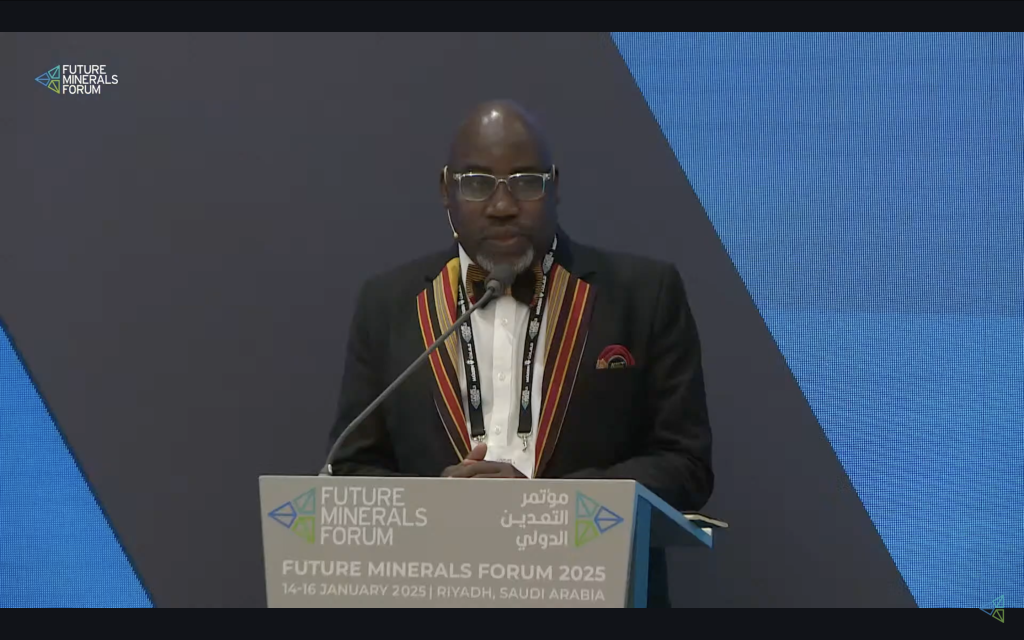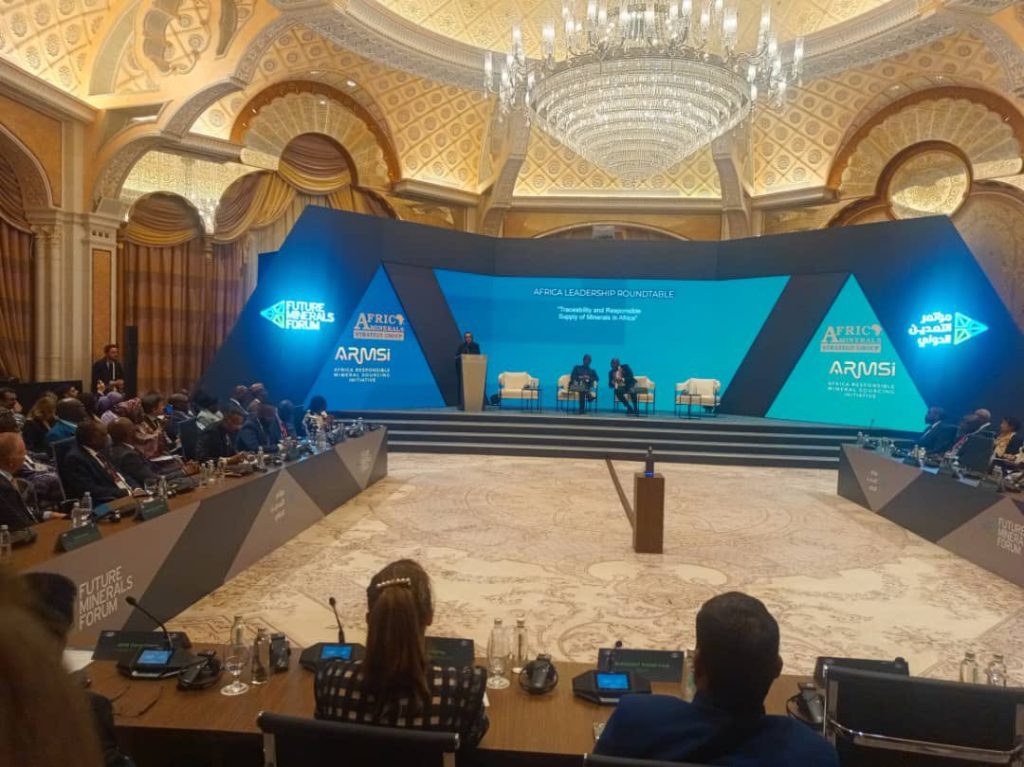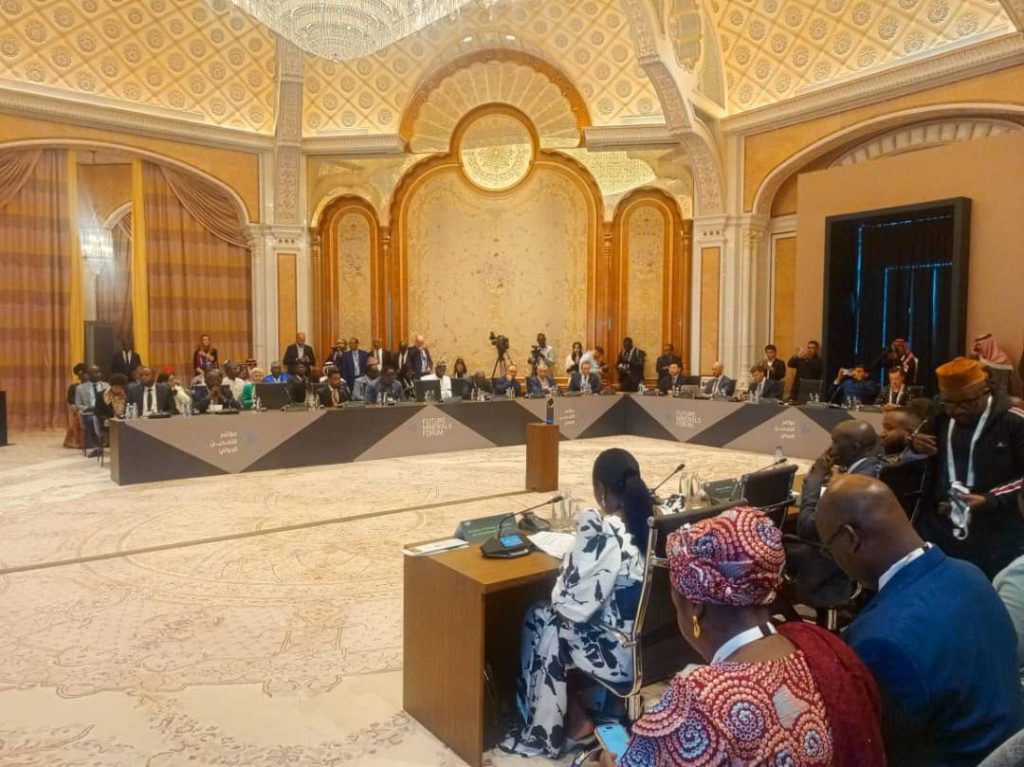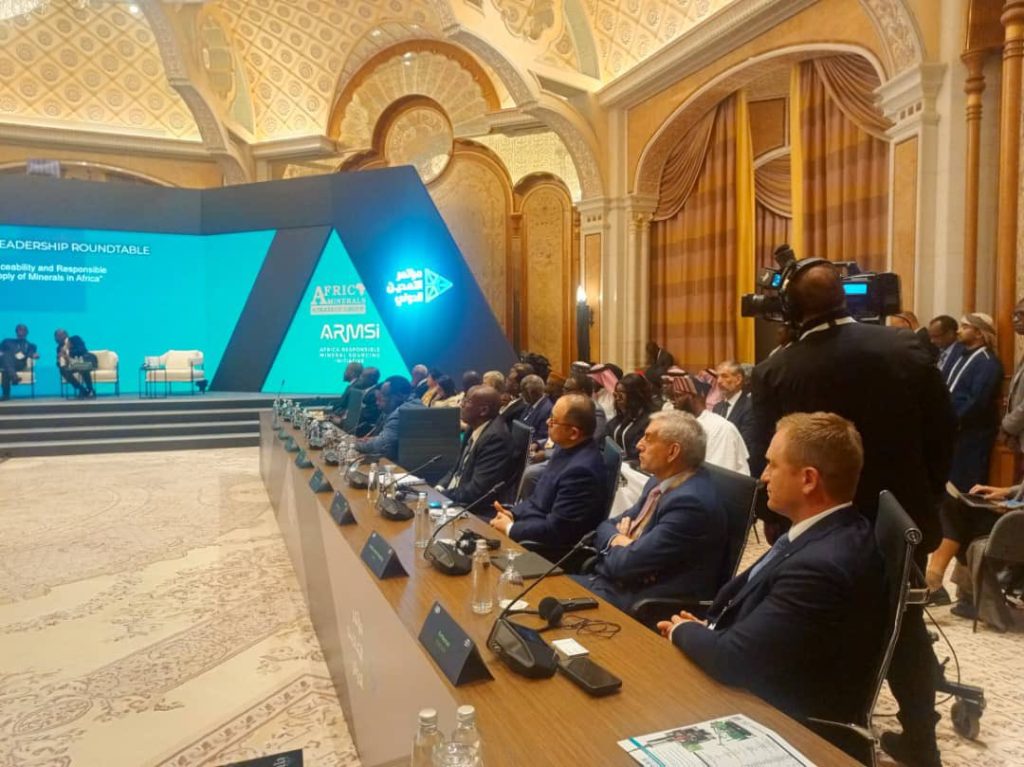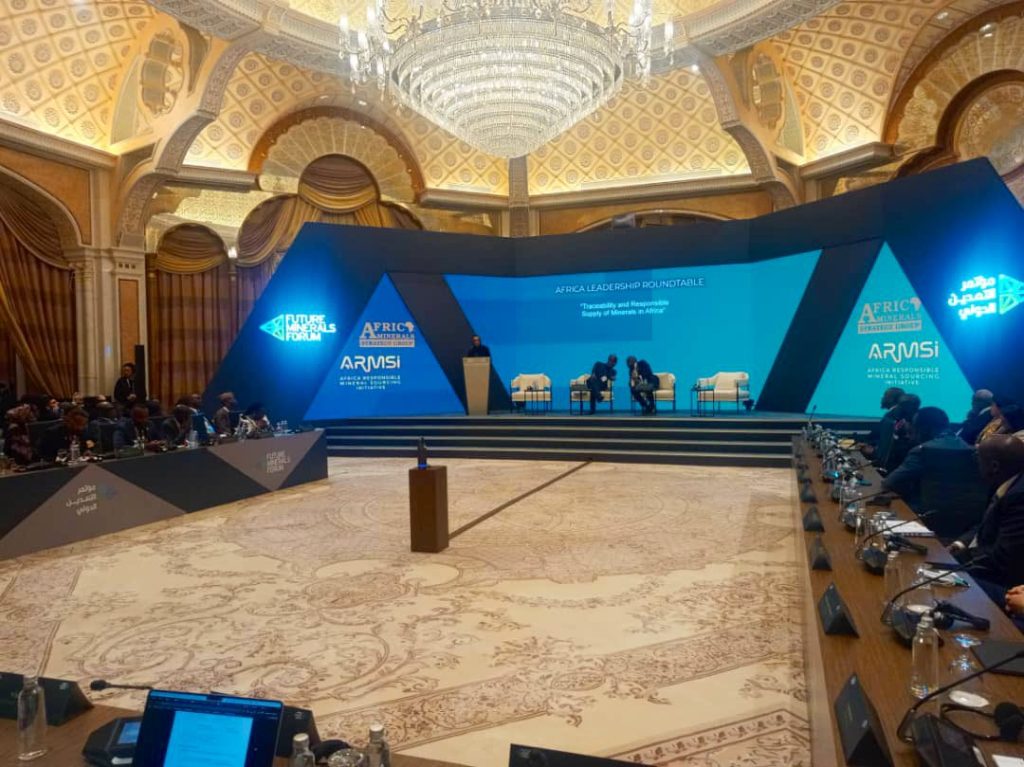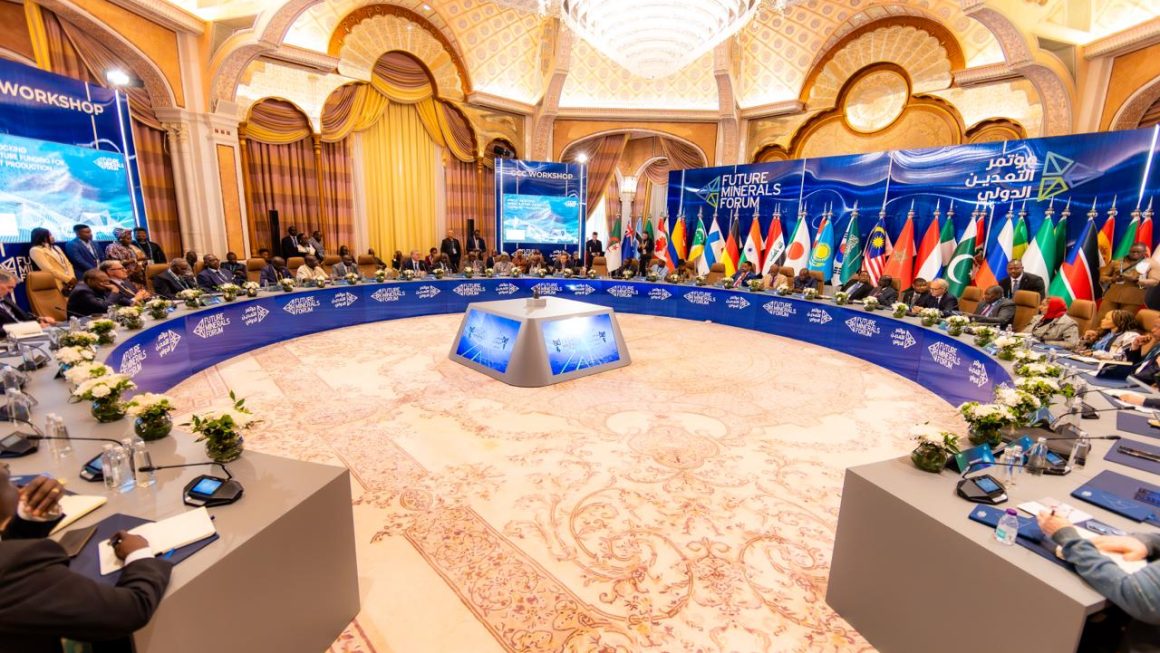





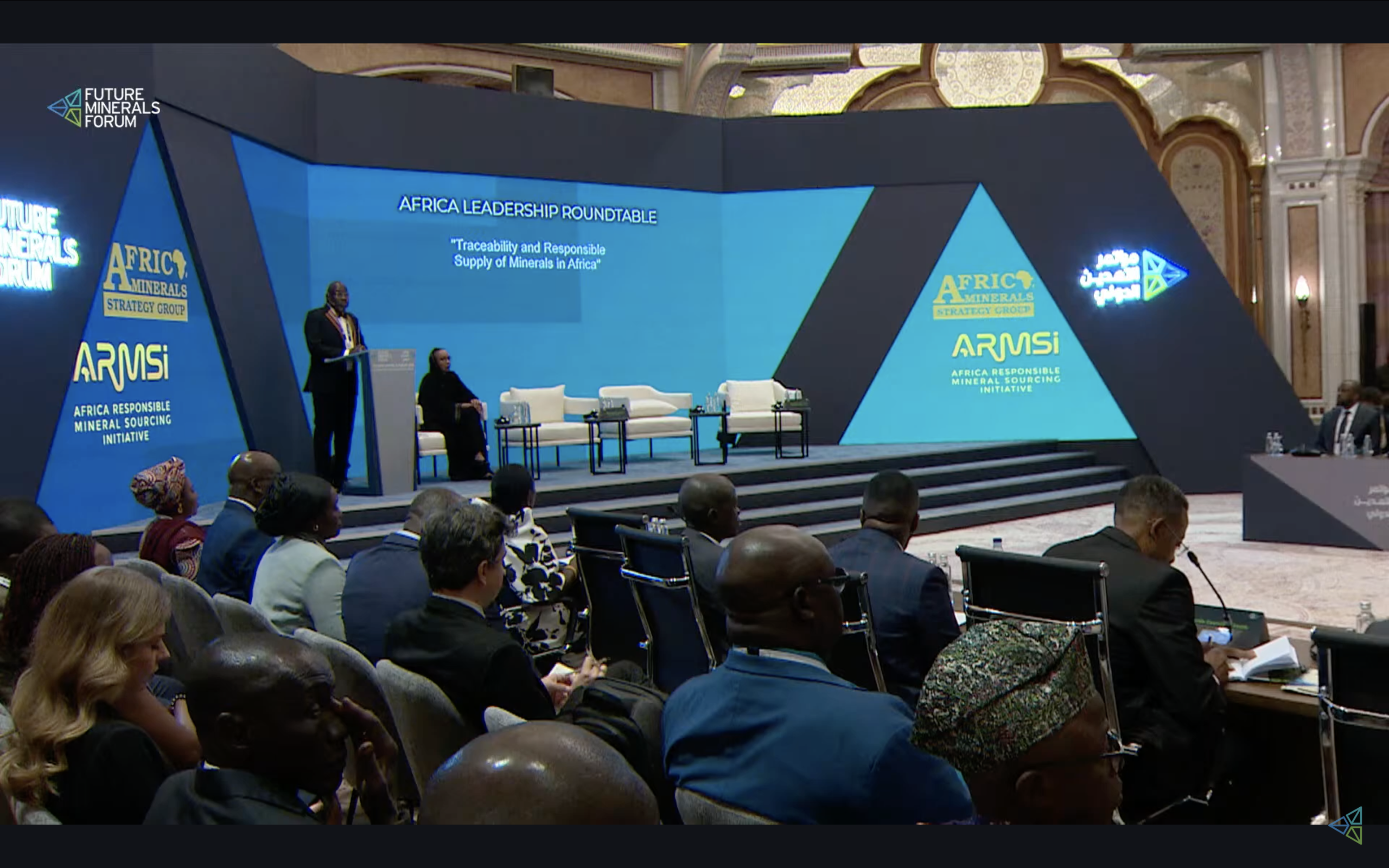
The Africa Leadership Roundtable at the 4th Future Minerals Forum in Riyadh, Saudi Arabia on January 15, 2025, convened by the Africa Minerals Strategy Group (AMSG) and the Future Minerals Forum (FMF), provided a critical platform for collaboration and collective engagement among African governments, industry stakeholders, and global partners. Focused on traceability and the responsible supply of minerals in Africa, the roundtable facilitated insightful discussions on pressing challenges, opportunities, and best practices within Africa’s mineral sector.
The roundtable’s central theme was the traceability of Africa’s mineral supply chains, focusing on responsible sourcing from mine to market. Participants agreed that traceability is a key pillar for achieving transparency, accountability, and reducing risks within the supply chain, which in turn builds trust with investors and consumers. The roundtable emphasized the importance of leveraging technology-such as AI, blockchain, and data systems-to enhance transparency and ensure the effective monitoring of mineral provenance and financial flows. The AMSG Madini blockchain platform, already adopted by AMSG member states, was proposed as a key tool for implementing the FMF traceability and certification pilot project in the African copperbelt.
The roundtable was attended by 13 African Ministers from countries including Burundi, Gabon, Gambia, Guinea, Kenya, Nigeria, Sierra Leone, Somalia, South Sudan, Sudan, Tanzania, Uganda, and Zambia, alongside 2 senior government representatives from Guinea-Bissau and South Africa, and 16 CEOs and industry leaders.
H.E Moses Micheal Engadu, Secretary-General of the Africa Minerals Strategy Group (AMSG), welcomed the participants emphasizing the critical role that Africa plays in the future of the global mineral supply chain, particularly in the context of the energy transition. He underscored the importance of collaboration and cooperation among African nations and global partners to ensure sustainable and responsible mineral extraction practices that benefit both African communities and the broader global economy.
H.E Dr. Oladele Henry Alake, Ministry of Solid Minerals Development and Chairman, Africa Minerals Strategy Group opened the roundtable. Highlighted that, as the Minister of Solid Minerals Development of Nigeria, a key African supplier of critical minerals, he was pleased to return to Riyadh for the Future Minerals Forum 2025. Last year, Africa achieved a historic milestone at this forum with the birth of the Africa Minerals Strategy Group (AMSG), which is shaping the campaign for value addition as a cornerstone of sustainability under my leadership.
H.E Dr. Alake noted that as we face this unprecedented surge in demand for critical minerals driven by the global transition to clean energy, electric mobility, and digital infrastructure, it is essential that we ensure that the extraction, processing, and supply of these resources adhere to the highest standards of sustainability, social responsibility, and environmental stewardship. As we continue this work, regional cooperation will be indispensable. We must create harmonized regulations and frameworks across borders, fostering a regional approach that maximizes the potential of critical mineral resources while safeguarding the interests of all stakeholders.
Key Outcomes and Recommendations:
- Building Trust and Transparency:
- Traceability as a Key Pillar: The roundtable participants emphasized that traceability is critical for promoting transparency and accountability in mineral supply chains. It is fundamental for enhancing confidence, reducing project costs, and aligning with Environmental, Social, and Governance (ESG) policies.
- Leveraging Technology: There was a strong call to integrate technologies like blockchain, AI, and data analytics to improve traceability, with the AMSG Madini platform highlighted as a proven solution for ensuring the responsible supply of minerals.
- Creating a Collaborative Ecosystem:
- Public-Private Partnership: Governments and private-sector stakeholders must work hand-in-hand to develop robust traceability systems, which will help unlock Africa’s critical mineral potential and attract further investments.
- Stakeholder Engagement: A roadmap for enhanced collaboration was proposed, including the creation of formal communication channels such as Town Halls to engage a broader range of stakeholders. The roundtable also recommended the domestication of the FMF in Africa and hosting special events on the continent to continue these vital discussions.
- Key Levers for Change to Build an Ecosystem for Traceability:
- Harmonization of Policy and Regulatory Frameworks: Participants stressed the need to align policies and fiscal regimes across African countries to combat inefficiencies, illegal mining, and mineral smuggling.
- Affordable Technology Access: The roundtable recognized the high cost of traceability technologies as a barrier, particularly for artisanal and small-scale miners, and proposed collaborative efforts to make these tools more accessible.
- Establishing Standardized Traceability Systems: There was agreement on the importance of adopting international best practices and establishing a unified approach to traceability that includes clear certification systems.
- Integration with Regulatory Systems: Traceability should be integrated into existing mining regulations to streamline processes and improve efficiency.
- Focus on the Copper Belt:
- The African Copper Belt was identified as a critical region for copper and cobalt production, with discussions centered on developing comprehensive systems to ensure traceability from mine to market.
- A pilot project for traceability in the copperbelt was proposed, using the AMSG Madini blockchain platform to test and showcase effective systems.
- Challenges, Gaps, Opportunities, and Solutions:
- Challenges: Issues such as regulatory fragmentation, high technology costs, resistance to change, and lack of proven technologies were identified as barriers to implementing traceability.
- Opportunities: Harmonizing policies, reducing armed conflict, increasing revenue, and locally developing innovative solutions were recognized as key opportunities for the sector.
- Solutions: Participants proposed regional policy harmonization, stakeholder engagement, and incentives for compliance as key steps to improving traceability and building a responsible supply chain.
- Unlocking Africa’s Potential in Critical Minerals:
- The roundtable highlighted the importance of collaborative efforts between governments and the private sector to establish an exploration fund and prioritize sourcing from well-defined mineral reserves.
- The urgency of unlocking Africa’s critical minerals was stressed due to increasing global competition and fluctuations in resource prices.
- Endorsement of Sustainability and Traceability Principles:
- The roundtable endorsed sustainability principles to guide the responsible extraction and processing of minerals, as well as traceability principles to ensure ethical sourcing and supply chain transparency.
- Actionable Roadmap & Next Steps:
- Commitment to Action: A 12-month action plan was endorsed, which includes setting up pilot projects in the copperbelt, strengthening public-private partnerships, and fostering stakeholder engagement through regular touchpoints like Town Halls.
• • Capacity Building: Discussions also focused on the importance of developing local capacity in traceability practices, not just in terms of technology, but also human capital.
The Africa Leadership Roundtable at the Fourth Future Minerals Forum was a pivotal moment in the journey towards transforming Africa’s mineral sector. By focusing on traceability, responsible sourcing, and collaborative action, the roundtable provided clear steps for unlocking Africa’s mineral potential while ensuring sustainability and economic growth. With a renewed commitment to technological innovation, policy alignment, and global partnerships, Africa is poised to lead in the responsible sourcing of critical minerals, which will play a key role in the global energy transition and the continent’s long-term prosperity.
Pictorial